Boilers
Why Is My Boiler Not Heating My House? 8 Common Problems
You can hear the boiler running, but the radiators are still cold.
Eight common reasons a boiler stops heating the house, the checks you can safely make yourself, and when it is time to call a professional.
It is a cold Colorado morning. You turn up the thermostat, but the house stays cold. You can hear the boiler running, yet the radiators or baseboard heaters are not getting warm.
If your boiler is not heating your house, several problems could be to blame. Some are simple to fix. Others need a professional boiler repair.
The good news is that a boiler that is not working properly does not always need to be replaced. A faulty pump, trapped air, or a bad valve could be the cause. This guide covers eight common boiler problems, the troubleshooting you can safely do, and when to call a professional for help.
Why Is My Boiler Not Heating? The Short Answer
When a boiler runs but the house stays cold, the heat is usually being made but not delivered. The most common causes are a failed circulator pump, air trapped in the system, low water pressure, and a stuck zone valve. Thermostat problems, sediment buildup, short cycling, and an aging boiler account for most of the rest.
You can safely check the thermostat, look for error codes, read the pressure gauge, note which rooms are cold, listen for unusual noises, and look for leaks. Leave gas, electrical, and internal repairs to a licensed professional.
1. Your Thermostat Is Not Working Properly
Your thermostat tells the boiler when to heat your home. If the thermostat is not working, the boiler may never receive the signal to turn on.
Common thermostat problems include:
- The thermostat is set to off or to cooling mode.
- The temperature setting is too low.
- The batteries are dead.
- A heating schedule is keeping the boiler from running.
- Loose wiring is causing a connection problem.
What should you check?
First, set the thermostat to heat. Then raise the temperature a few degrees above the current room temperature. If the thermostat uses batteries, replace them if needed.
If the boiler runs but your home stays cold, the problem may be with the thermostat controls or with another part of the heating system.
2. The Circulator Pump Has Stopped Working
Your boiler heats water and sends it through pipes to warm your home. A circulator pump keeps that water moving. If the pump fails, the boiler may still produce hot water, but the heat will not reach your rooms.
Signs of a bad circulator pump include:
- The boiler is hot, but the radiators are cold.
- Some rooms heat while others stay cold.
- You hear strange noises near the pump.
- The boiler shuts off before the house gets warm.
A pump can fail because of worn parts, electrical problems, or blocked water flow. A plumber can inspect the pump and determine whether it needs repair or replacement.
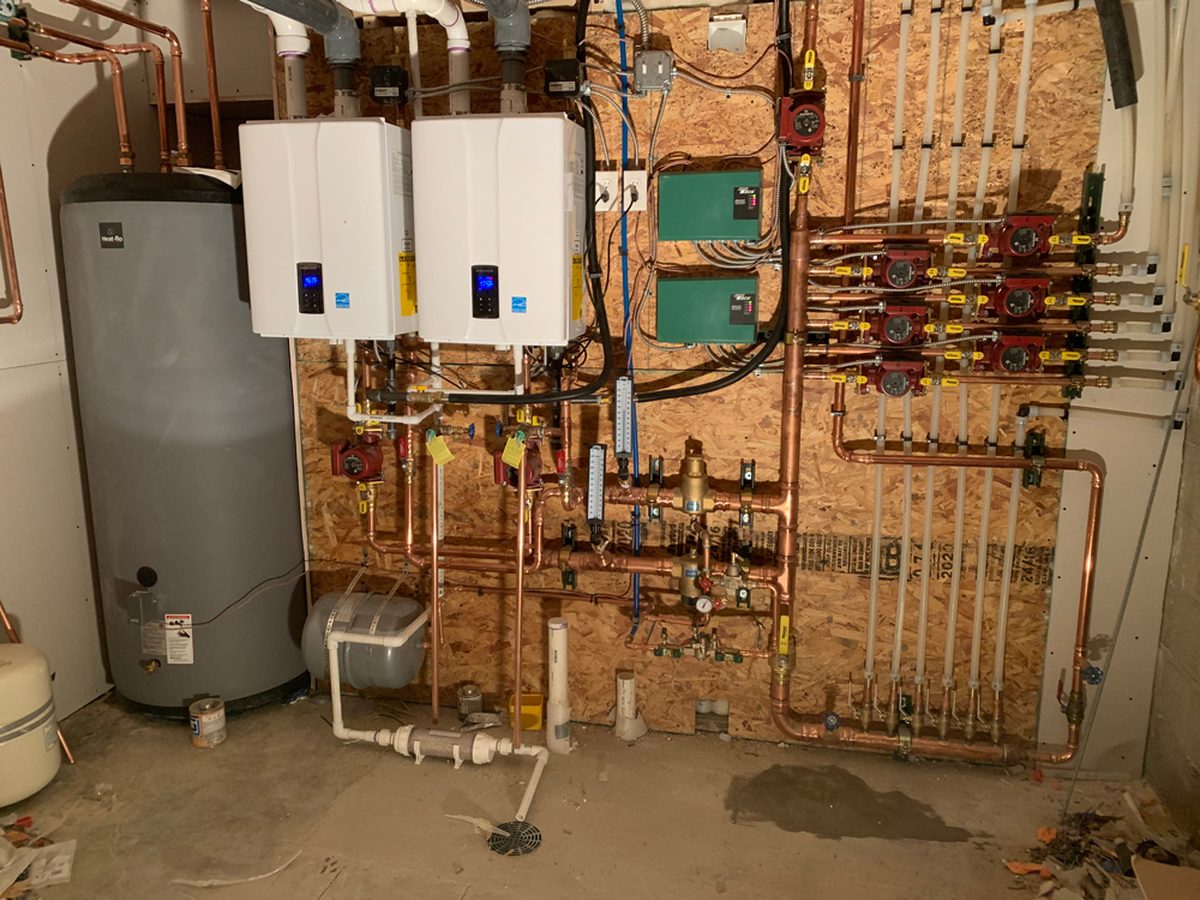
3. Air Is Trapped In Your Boiler System
Air trapped inside a hot water boiler system can block water flow. That may leave some rooms cold even when the boiler is running.
You might notice:
- Radiators that are warm at the bottom but cold at the top.
- Gurgling sounds in the pipes.
- Rooms that take longer to heat.
- Uneven temperatures throughout the house.
Air can enter the system after repairs, after maintenance, or after a drop in water pressure.
Can you remove air from a boiler system?
Some hot water radiators have valves that release trapped air. Not every heating system works the same way, though, and releasing air incorrectly can cause leaks or lower the system pressure.
If you are unsure how your system works, call a professional. Steam boilers also work differently and should never be treated like hot water systems.
4. Your Boiler Has Low Water Pressure
Low water pressure is another common reason a boiler is not heating properly. Many hot water boilers need enough pressure to move heated water through the home. If pressure drops too low, the boiler may shut down or struggle to heat certain rooms.
Common causes include:
- Leaking pipes or fittings
- A faulty pressure relief valve
- A damaged expansion tank
- Problems with the automatic water fill valve
- Recent radiator bleeding or maintenance
How do you check your boiler pressure?
Many boilers have a pressure gauge or a digital display, so you can check the pressure without opening the equipment. Your boiler manual may list the recommended pressure range, but the correct pressure depends on your heating system and the boiler model.
Some systems use a filling loop to add water. Others use an automatic fill valve. Do not add water unless you understand the manufacturer instructions, because adding too much can cause other problems. If your boiler keeps losing pressure, have a plumber inspect the system for leaks or faulty parts.
5. A Zone Valve Is Stuck
Does one part of your house feel warm while another stays cold? Your boiler may have a bad zone valve.
Zone valves control where hot water travels in your home, so different rooms or areas can heat separately. When a valve gets stuck, hot water may not reach the affected area.
Common signs include:
- One heating zone stays cold.
- Other rooms heat normally.
- The thermostat calls for heat, but nothing happens.
- Room temperatures change without warning.
A plumber can test the valve, the wiring, and the controls to find the problem. In many cases, replacing a zone valve is a much smaller job than replacing the entire boiler.
Boiler Running, House Cold?
Have A Licensed Plumber Find The Cause
We test the pump, the pressure, the zone valves, and the controls, then explain what we found and your options before any work begins.
Call 720-295-9903Boiler troubleshooting and repair across Denver Metro.
6. Sediment Or Sludge Is Blocking Water Flow
Over time, minerals, rust, and sludge can build up inside a boiler system. That buildup can slow water flow and make it harder for the boiler to heat your home. It may also affect the heat exchanger, the part that transfers heat to the water in the system.
Signs of buildup include:
- Banging, rumbling, or other unusual noises
- Rooms taking longer to warm up
- Radiators heating unevenly
- Higher heating bills
- Frequent boiler shutdowns
These symptoms can also point to other problems, such as trapped air or poor circulation. A professional can inspect the internal components and determine whether cleaning, repairs, or another solution is needed. Avoid chemical cleaners, and do not try to flush the boiler yourself.
7. Your Boiler Keeps Turning On And Off
Does your boiler turn on, run for a short time, shut off, and then start again? That problem is called short cycling.
Boilers normally turn on and off to control temperature, but frequent short cycles may mean something is not working correctly. Possible causes include:
- A boiler that is too large for the home
- Poor water circulation
- Faulty temperature sensors
- Incorrect control settings
- Heating zones that are not working properly
Short cycling increases wear on boiler parts and wastes energy.
Should you press the boiler reset button?
Some boilers have a reset button that clears certain fault conditions. Before using it, check your boiler manual and follow the manufacturer instructions. Never keep pressing the reset button if the problem returns. Repeated resets can hide a serious issue, so if the boiler keeps shutting down, schedule a professional inspection.
8. Your Boiler Is Getting Old
Like any home heating system, a boiler wears down over time. Older boilers may struggle to keep up with demand, especially during the coldest Colorado months, and parts such as pumps, sensors, gas valves, and controls can fail as the system ages.
Does an old boiler need to be replaced?
Not always. Many older boilers can keep working with the right repairs and regular maintenance. Replacement may make sense, though, if:
- You need frequent boiler repairs.
- Major parts are damaged or leaking.
- Replacement parts are hard to find.
- Your heating bills keep increasing.
- The boiler can no longer keep your home warm.
A professional can help you weigh repairing the boiler you have against replacing it with a new system. Our guide to boiler repair vs. replacement walks through that decision.
Why Boiler Heating Problems Matter In Colorado
Denver homeowners depend on reliable heat through the winter. When temperatures fall below freezing, a boiler that is not producing heat can quickly become a serious problem, including for pipes in exterior walls. Our guide to keeping pipes from freezing covers what to protect while the heat is out.
Older Denver homes often have radiator heating, baseboard heaters, or other hydronic heating systems. These systems can provide comfortable heat for decades, but they need proper care.
Colorado's high elevation also affects gas fired equipment. A boiler must be installed and adjusted according to the manufacturer's high altitude requirements. Problems with the gas supply, the burner controls, or the gas valve can keep the boiler from heating correctly. Never attempt to repair gas connections or adjust gas valves yourself.
Boiler Troubleshooting: What You Can Safely Check
If your boiler is not heating your home, try these simple checks before scheduling service.
- Check your thermostat. Make sure it is set to heat, and raise the temperature above the current room temperature.
- Look for error codes. If your boiler has a display, check for error messages and write down any codes to share with your plumber.
- Check the boiler pressure. Look at the pressure gauge if your system has one, and compare the reading with your boiler manual. Do not adjust the pressure unless you are familiar with the system.
- Note which rooms are cold. Is the entire house cold, or just one area? That tells a plumber whether the problem is in the boiler itself or in a specific heating zone.
- Listen for strange noises. Banging, gurgling, grinding, or other unusual sounds may point to trapped air, poor water flow, or worn parts.
- Look for water leaks. Check around the boiler and nearby pipes for visible water. Do not remove panels or touch electrical parts.
Safety first
If you smell gas, leave the building and call your gas utility or emergency services from a safe location. If your carbon monoxide alarm sounds, get everyone out and call 911.
If your boiler will not turn on at all, read our separate guide, Boiler Will Not Turn On? What To Check First.
When Should You Call A Professional For Boiler Repair?
Some boiler problems are minor. Others get worse when they are ignored. Call a professional if:
- Your boiler runs but your home stays cold.
- One or more heating zones stop working.
- Your boiler keeps losing water pressure.
- You notice leaks around the equipment.
- The system makes loud or unusual noises.
- Your boiler keeps shutting off.
- Your heating bills rise without a clear reason.
A trained plumber can inspect the boiler system, test its parts, and find the cause. Getting help early can prevent larger repairs and give you peace of mind through a Colorado winter.
How Regular Boiler Maintenance Helps Prevent Heating Problems
Regular maintenance helps keep a boiler running safely and efficiently. During a maintenance visit, a qualified technician may:
- Inspect the heat exchanger for signs of damage.
- Check the circulator pump and water flow.
- Test the safety controls and the pressure relief valve.
- Inspect the expansion tank.
- Check for leaks or corrosion.
- Test the burner and combustion on gas fired boilers.
- Inspect accessible pipes, valves, and electrical connections.
Maintenance also catches small problems before they turn into larger boiler repairs. Most homeowners should schedule professional boiler maintenance once a year, unless the manufacturer recommends a different schedule. Right now we are offering a free boiler inspection that covers these same checks.
Boiler Repair In Denver And Surrounding Areas
If your boiler is not keeping your home warm, The Electricians and Plumbers can help. Our plumbing team works on residential and commercial boilers, including hot water radiators, baseboard heating, radiant floor systems, and steam boilers.
We know how frustrating heating problems are, especially in a Colorado winter. Our team will inspect your system, explain what we find, and go over your repair options before any work begins.
We provide boiler repair in Denver, Aurora, Littleton, Lakewood, Centennial, Englewood, Highlands Ranch, Parker, and surrounding communities. Whether the problem is a faulty pump, low pressure, or something else, we are here to help.
CO Lic. #PC.0005786 · CO Lic. #EC.0101962. This article is general guidance for Denver Metro homeowners and does not replace an on site inspection of your specific system.
Questions
Boiler Heating Questions
Why is my boiler running but my house is still cold?
Your boiler may be heating water without moving it through the house. A bad circulator pump, trapped air, low pressure, or a stuck zone valve could be the cause.
Why is my boiler not working even though it has power?
The problem could involve the thermostat, the safety controls, the pump, or another internal component. A boiler can have power without producing or delivering heat.
Why are some radiators hot and others cold?
Trapped air, blocked water flow, or a faulty zone valve may keep hot water from reaching certain radiators. Steam systems may have different causes.
Can low water pressure stop my boiler from heating?
Yes. Low pressure can affect water circulation or trigger a safety shutdown in some hot water boilers. If the pressure keeps dropping, have a plumber check for leaks or faulty parts.
Can I fix my boiler myself?
You can safely check the thermostat settings, any visible error codes, and the pressure gauge. Leave repairs involving gas, electrical wiring, internal components, and water pressure controls to a qualified professional.
How often should a boiler be serviced?
Most residential boilers benefit from professional maintenance once a year. Check your boiler manual for the manufacturer recommendations.
Should I repair or replace my boiler?
That depends on the boiler's age, its condition, and the scope of the repair. Minor problems often make sense to repair. Frequent breakdowns or major damage may make replacement the better option.
Who should I call for boiler repair in Denver?
Contact a qualified professional who works on hydronic and steam heating systems. The Electricians and Plumbers provides boiler troubleshooting, repair, and replacement throughout the Denver metro area.
Keep Reading
Boiler Will Not Turn On? What To Check First
Low pressure and a failed expansion tank cause most no heat calls here. The checks to run before you call.
Read the article
Boiler Repair and Installation
Radiators, baseboard, radiant floor, and steam, for homes and commercial buildings across Denver Metro.
View boiler serviceBoiler Repair
Get Your Heat Back On
Boiler troubleshooting, repair, and replacement across Denver Metro. A licensed plumber inspects the actual system and puts the price in writing before any work begins.
CO Lic. #PC.0005786 · CO Lic. #EC.0101962 · 2M GL · 5M Umbrella · Bonded · Insured