Boilers
Boiler Repair vs. Replacement: When Is It Time?
A noisy, struggling boiler does not always need to be replaced.
How long boilers last, the six signs it may be time for a new one, what is worth repairing, and the questions to ask before you replace anything.
Your boiler has kept your home warm for years. Lately, though, it is making strange noises, struggling to heat certain rooms, or needing more repairs. Now you are wondering whether to repair it or replace it.
The answer depends on the boiler's age, its condition, and the scope of the repair. A simple repair can give a heating system several more years of reliable service, while replacing an older boiler can save fuel and frustration over the long term. For Colorado homeowners, making the right call matters once winter temperatures drop.
This guide explains when to replace a boiler, which repairs are worth making, and how to decide what is best for your home.
Repair Or Replace Your Boiler? The Short Answer
Most residential boilers last around 15 to 25 years. Repair usually makes sense when the boiler is newer or well maintained, the problem is a contained part such as a pump, zone valve, or control, and parts are easy to find.
Replacement deserves a serious look when the boiler is older and needs major work, breaks down season after season, has serious corrosion or a damaged heat exchanger, or can no longer heat the house reliably. Have the whole system inspected before deciding, because the problem is often a part rather than the boiler itself.
How Long Do Boilers Last?
Most residential boilers last around 15 to 25 years, and some well maintained models last longer. A boiler's lifespan depends on:
- The type and quality of the equipment
- How well the boiler was installed
- Water quality and corrosion
- How often the system runs
- Regular maintenance and repairs
A boiler that is more than 15 years old does not automatically need replacement. Many older Denver homes have heating systems still working well after two decades. Age starts to matter when problems become more frequent.
Is a 20 year old boiler worth repairing?
Sometimes. If a 20 year old boiler needs a minor repair and is otherwise in good condition, fixing it may make sense. If it needs major repairs every winter, it may be time to replace it. A professional inspection tells you how much useful life the boiler likely has left, and right now we are offering a free boiler inspection for exactly that.
6 Signs You Need A New Boiler
Not every heating problem means replacement. Some warning signs, though, suggest a boiler is nearing the end of its life.
1. Your boiler needs frequent repairs
An occasional repair is normal. Repeated breakdowns are another story. If you have recently replaced a pump, a control board, or a valve and another part fails, those repairs add up. Ask yourself whether you are fixing one isolated problem or dealing with a system that is wearing out.
Consider replacement when: repairs keep getting bigger and more frequent, and the boiler has a history of breakdowns.
2. Your boiler is more than 15 to 20 years old
Older boilers may have worn parts, outdated controls, and lower efficiency, and replacement parts can become hard to find. Age alone is not a reason to replace a boiler, but a major repair on a 20 year old system deserves a closer look.
Consider replacement when: the boiler is aging and needs major work.
3. Your energy bills keep rising
Have your heating bills gone up even though your thermostat settings have not changed? An aging boiler may burn more fuel when its burner, controls, or other components are not working properly. Higher bills can also come from colder weather, higher gas rates, or poor insulation, so a technician should check whether the boiler is actually operating efficiently.
Consider replacement when: the boiler has poor efficiency that repairs or adjustments cannot reasonably improve.
4. Your home has uneven heating
Does one room feel warm while another stays cold? Uneven heating usually comes from a failing circulator pump, trapped air, a stuck zone valve, or poor water flow. Those problems affect the system around the boiler and rarely require a new boiler. If your boiler is running but not heating the house, read our guide on why a boiler is not heating your home.
Consider replacement when: the boiler itself is failing and repairs will not restore reliable heat.
5. Your boiler makes strange noises
Banging, rumbling, grinding, and other unusual noises can point to a problem. Possible causes include:
- Trapped air
- Poor water circulation
- Mineral buildup
- Worn pumps
- Failing internal components
A noisy boiler does not always need replacement. Many of these causes are repairable.
Consider replacement when: the noise comes from serious equipment damage that cannot reasonably be repaired.
6. Your boiler has leaks or safety problems
A small leak at a pipe fitting may be easy to fix. Serious corrosion or a damaged heat exchanger, however, can make replacement necessary. Gas boilers also depend on proper combustion and venting, so problems with the burner, the flame, or the exhaust need professional attention.
Gas smell or carbon monoxide alarm
If you smell natural gas or your carbon monoxide alarm sounds, leave the building and contact emergency services from a safe location.
Consider replacement when: a qualified technician finds serious damage that cannot be repaired safely.
Boiler Repair vs. Replacement: Which Is Better?
The right choice depends on the condition of the whole heating system.
| Factor | Repair May Be Better | Replacement May Be Better |
|---|---|---|
| Boiler age | Newer, or older and well maintained | Older with frequent problems |
| Repair scope | Minor and contained | Major, or one of several in a row |
| Reliability | First breakdown in years | Repeated failures |
| Energy efficiency | Operating efficiently | Poor performance despite service |
| Parts | Easy to find | Obsolete or unavailable |
| Safety | Can be repaired safely | Serious damage |
A good plumber should inspect the complete boiler system before recommending replacement. Sometimes the boiler is fine and a pump, thermostat, or valve needs attention. Getting the diagnosis right can prevent an unnecessary boiler installation.
Not Sure Which Way To Go?
Get A Straight Answer On Repair Or Replace
A licensed plumber inspects the whole system, tells you what is actually wrong, and puts both options in writing so you can compare them side by side.
Call 720-295-9903Boiler repair and replacement across Denver Metro.
What Affects Boiler Repair Cost?
What a repair involves depends on the problem, the type of equipment, and the parts needed. Common boiler repairs include:
- Circulator pump replacement
- Zone valve repair
- Thermostat and control repairs
- Expansion tank replacement
- Pressure relief valve replacement
- Ignition and burner repairs
A control repair is a much smaller job than replacing a major internal component. Before approving major work, ask for the scope and the price in writing.
When is a boiler repair too big?
There is no strict rule. A minor control repair on an eight year old boiler is usually reasonable. A heat exchanger repair on a 24 year old boiler can make replacement the better option. Weigh the boiler's age, its condition, and the repairs it is likely to need next before deciding.
What Affects Boiler Replacement Cost In Denver?
A boiler replacement depends on the equipment and the installation requirements. The main factors are:
- Boiler size and heating capacity
- Standard efficiency or high efficiency equipment
- Gas or electric operation
- Existing piping and heating zones
- Venting requirements
- Pumps, valves, and controls
- Permits and installation labor
Replacing a boiler with a similar model is usually simpler than changing the heating system. Upgrading to a high efficiency condensing boiler, for example, may require new venting and a condensate drain. A qualified installer should calculate your home's heating needs before recommending equipment.
Can you keep your existing radiators?
Often, yes. Many homes keep their existing hot water radiators, baseboard heaters, or radiant floor systems when the boiler is replaced, as long as the installer confirms the components are compatible and in good condition. Steam heating systems have different requirements and need equipment designed for steam.
Are New Boilers More Energy Efficient?
Modern boilers can be considerably more efficient than older ones. Boiler efficiency is commonly measured as Annual Fuel Utilization Efficiency, or AFUE.
- An 80% AFUE boiler converts about 80% of its fuel energy into useful heat under the rating method.
- A 95% AFUE boiler converts about 95% of its fuel energy into useful heat under the rating method.
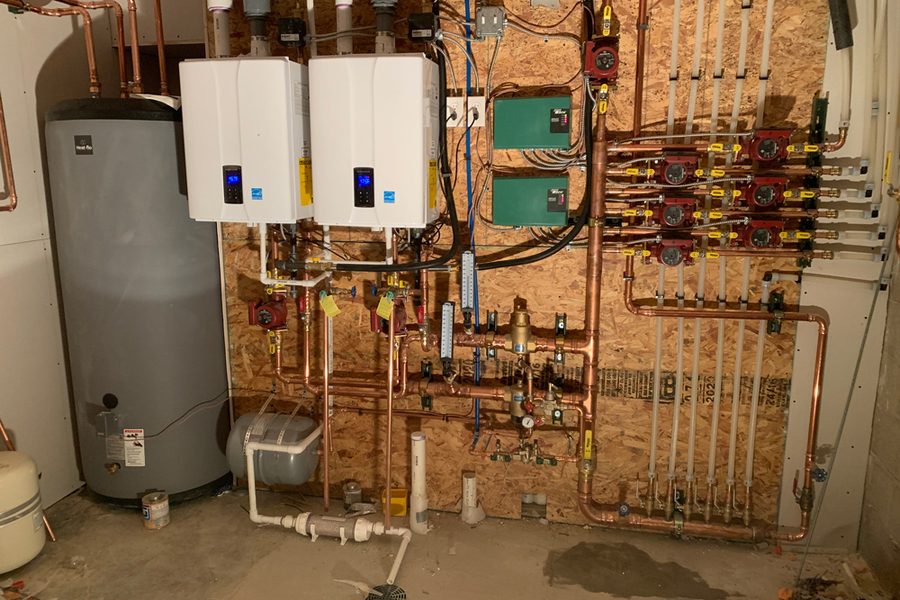
High efficiency condensing boilers recover additional heat from the exhaust gases. Actual energy savings depend on your home's heating needs, the quality of the installation, and the system temperatures.
Is a high efficiency boiler worth it?
It can be, especially when it replaces an older, inefficient model. High efficiency boilers work best when the heating system runs with lower return water temperatures, so some older radiator systems need adjustments to get the full benefit.
A combi boiler may also be an option for some homes. These units provide both space heating and domestic hot water from one appliance. They are not right for every property, though, because your household's hot water demand and heating requirements both matter. Ask your installer to explain which equipment would heat your home best.
Boiler Replacement Considerations For Denver Homes
Colorado's climate and elevation both affect boiler installation.
Cold winter temperatures
A boiler needs enough capacity to keep the house comfortable through freezing weather, but bigger is not always better. An oversized boiler turns on and off too often, which reduces efficiency and increases wear. Proper sizing prevents both.
Denver's high elevation
Gas boilers must be selected and configured according to the manufacturer's high altitude requirements. Incorrect setup can reduce heating capacity and affect combustion.
Older homes and piping
Many Denver homes have older radiators and hydronic heating systems. These systems can work well with modern equipment, but the piping, controls, and heating zones should be inspected before a replacement so a professional can decide which parts stay and which need updating.
5 Questions To Ask Before Replacing Your Boiler
Before you commit to a new boiler, ask your plumber:
- What is wrong with my current boiler? Is the problem the boiler itself or a separate component?
- Can it be repaired safely? Find out whether a repair would restore reliable operation.
- How much life might it have left? Consider its age, condition, and maintenance history.
- Will a new boiler improve efficiency? Ask about realistic fuel savings for your home.
- What is included in the proposal? Review the equipment, piping, venting, controls, permits, and warranty.
These questions help you compare your options without feeling pressured into a major purchase.
How Regular Maintenance Can Extend Boiler Life
Regular maintenance helps prevent breakdowns and keeps a boiler operating safely. During a service visit, a qualified technician may:
- Check for leaks and corrosion
- Inspect the heat exchanger
- Test the safety controls
- Check the pumps and system pressure
- Inspect the expansion tank
- Examine valves and piping
- Check burner operation and venting
Most residential boilers benefit from annual professional maintenance, although manufacturer requirements vary. Routine service catches small problems before they turn into larger repairs.
Boiler Repair In Denver: Get Help Making The Right Decision
If you are unsure whether to repair or replace your boiler, The Electricians and Plumbers can help. Our plumbing team works on boiler heating systems throughout the Denver metro area. We will inspect your equipment, explain what we find, and go over your repair and replacement options.
We serve Denver, Aurora, Littleton, Lakewood, Centennial, Englewood, Highlands Ranch, Parker, and surrounding communities. Whether you need a minor repair or a complete boiler installation, our goal is to help you make an informed decision. Do not wait until your heating system fails in the middle of a Colorado winter.
CO Lic. #PC.0005786 · CO Lic. #EC.0101962. This article is general guidance for Denver Metro homeowners and does not replace an on site inspection of your specific system.
Questions
Boiler Repair And Replacement Questions
How do I know when to replace a boiler?
Consider replacement when your boiler needs frequent repairs, has serious corrosion, or cannot heat your home reliably. Age matters, but the condition of the equipment matters more.
Is it worth repairing a 20 year old boiler?
It can be. A minor repair may make sense if the boiler is otherwise in good condition. Major repairs on an aging system are harder to justify.
How long do boilers last?
Many residential boilers last 15 to 25 years. Some last longer with proper installation and regular maintenance.
Will a new boiler lower my heating bills?
A newer, more efficient boiler may reduce fuel use. Actual savings depend on the efficiency of the old boiler, the installation of the new one, and your home's heating needs.
Can I replace my boiler without replacing my radiators?
Often, yes. Existing radiators and piping can usually be reused if they are in good condition and compatible with the new boiler.
Should I replace my boiler before winter?
If your boiler is unreliable or needs major repairs, dealing with it before winter helps prevent a loss of heat. An older boiler that is working properly does not automatically need replacement.
Keep Reading
Why Is My Boiler Not Heating My House?
Boiler running but the house is cold? The eight most common causes, the safe checks, and when to call.
Read the article
Boiler Repair and Installation
Radiators, baseboard, radiant floor, and steam, for homes and commercial buildings across Denver Metro.
View boiler serviceBoiler Repair And Replacement
Repair Or Replace, Priced In Writing
A licensed plumber inspects the whole heating system, tells you what is actually wrong, and puts the repair and replacement options in writing before any work begins.
CO Lic. #PC.0005786 · CO Lic. #EC.0101962 · 2M GL · 5M Umbrella · Bonded · Insured